
News
The main products are food additive microcrystalline cellulose, food additive magnesium stearate, food additive sodium carboxymethyl starch, food grade magnesium stearate, food grade sodium carboxymethyl starch microcrystalline cellulose, Magnesium stearate, sodium carboxymethyl starch, pregelatinized starch, starch, dextrin, etc.
05
2021
-
06
What is microcrystalline cellulose? What are the uses of microcrystalline cellulose?
Microcrystalline cellulose is commonly used as an adsorbent, suspending agent, diluent, and disintegrant in the pharmaceutical industry. Microcrystalline cellulose is widely used in pharmaceutical preparations, mainly as a diluent and binder in oral tablets and capsules. It can be used not only in wet granulation but also in dry direct compression, and it also has certain lubricating and disintegrating effects, which is very useful in tablet preparation. Due to the hydrogen bonds between microcrystalline cellulose molecules, hydrogen bonds associate under pressure, so it has high compressibility and is often used as a binder.
Microcrystalline celluloseIn the pharmaceutical industry, it is commonly used as an adsorbent, suspending agent, diluent, and disintegrant. Microcrystalline cellulose is widely used in drug formulations, mainly as a diluent and binder in oral tablets and capsules. It can be used not only in wet granulation but also in dry direct compression, and it also has certain lubricating and disintegrating effects, which is very useful in tablet preparation. Due to the hydrogen bonds between microcrystalline cellulose molecules, hydrogen bonds are associated under pressure, so it has high compressibility and is often used as a binder.
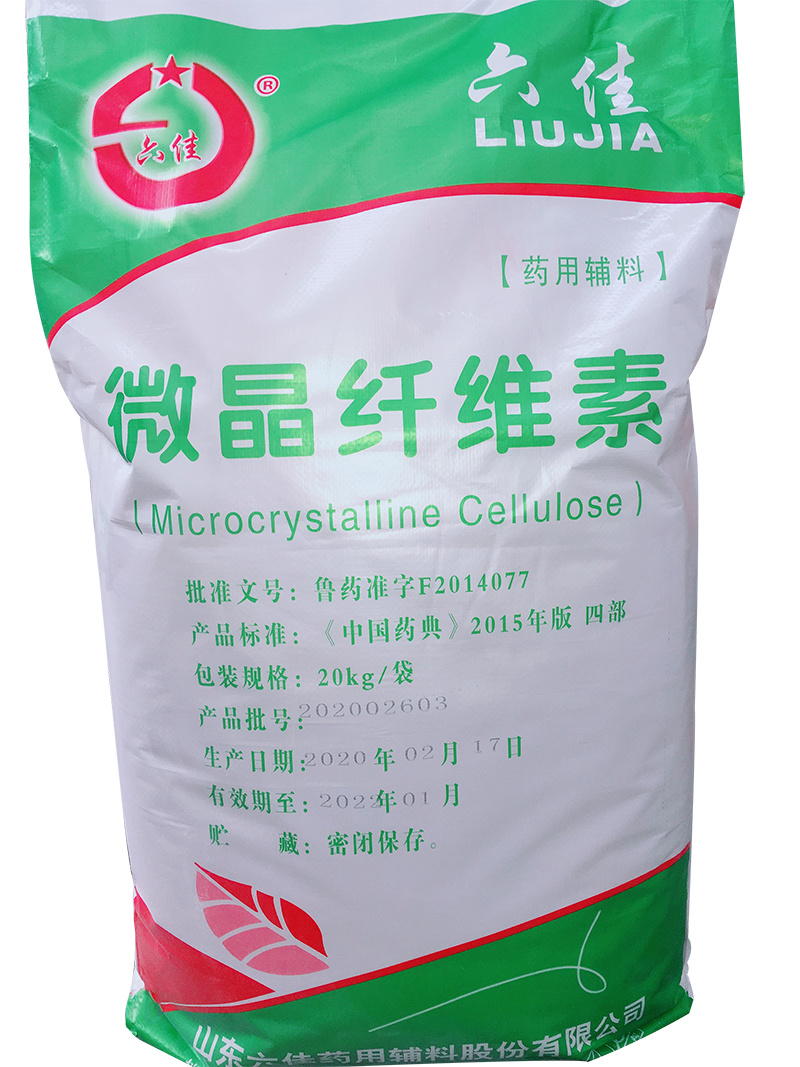
Given the unique structure and properties of microcrystalline cellulose, it is widely used in national economic sectors such as medicine and hygiene, food and beverages, and light chemical industry as a disintegrant, stable emulsifier, etc. Because cellulose is widely found in nature, hundreds of billions of tons of biomass residues rich in cellulose can be produced worldwide each year. If these residues are well converted and utilized, they will be a rich resource. In China, with the expansion of the scale of production and the improvement of product grades in the leather, daily chemical, pharmaceutical, food, and chlor-alkali industries, the demand for microcrystalline cellulose has been increasing year by year, so microcrystalline cellulose has broad market prospects. The following introducesMicrocrystalline celluloseits uses.
1. Pharmaceutical Industry
Microcrystalline cellulose is commonly used as an adsorbent, suspending agent, diluent, and disintegrant. Microcrystalline cellulose is widely used in drug formulations, mainly as a diluent and binder in oral tablets and capsules. It can be used not only in wet granulation but also in dry direct compression. It also has certain lubricating and disintegrating effects, which are very useful in tablet preparation.
Due toMicrocrystalline cellulosethe hydrogen bonds between molecules, hydrogen bonds are associated under pressure, so it has high compressibility and is often used as a binder; when compressed tablets encounter liquid, water quickly enters the interior of tablets containing microcrystalline cellulose, and hydrogen bonds immediately break, so it can be used as a disintegrant. Therefore, it is a widely used excipient in tablet production and can improve the hardness of tablets. For example, in the preparation of rifampin tablets, microcrystalline cellulose can be mixed with starch (mass ratio of 6.25:1) and various raw materials and directly compressed. The product disintegrates into a mist within 1 min. Moreover, the content remains unchanged within the shelf life, and the drug stability can be significantly improved. For example, due to the addition of microcrystalline cellulose, the dissolution rate of prednisone acetate and berberine acetate (hydrochloride) tablets increased to more than 80%. When using microcrystalline cellulose as an excipient for tableting, the traditional granulation process is not required. For example, in the preparation of Kebiqing tablets, due to the addition of microcrystalline cellulose, the serious sticking phenomenon caused by the hygroscopicity of wet granulation and tableting of Kebiqing is solved, and the disintegration is rapid.
Microcrystalline cellulose can also be used as a sustained-release agent for drugs. The sustained-release process is the entry of active substances into the porous structure of the carrier. Active substances are contained by intermolecular hydrogen bonds, and after drying, the active substances are fixed. When the active substance is released, the swelling is caused by the diffusion of water in the capillary system of the polymer carrier, and the chemical bonds between the carrier matrix and the fixed active substance are destroyed, and the active substance is slowly released.
Microcrystalline cellulose powder can form a stable dispersion system in water. When it is combined with drugs, it can be made into creamy or suspended medicinal solutions. It can also be used as a capsule agent. Microcrystalline cellulose generates a gel after strong stirring in water and can also be used to manufacture paste-like and suspension-type pharmaceutical preparations.
2. Food Industry
In the food industry, microcrystalline cellulose, as an edible fiber and an ideal health food additive, can maintain the stability of emulsification and foam, maintain high-temperature stability, and improve the stability of liquids. It has been certified and approved by the Joint Expert Committee on Food Additives of the Food and Agriculture Organization of the United Nations and the World Health Organization, and corresponding fiber products have emerged and are widely used in dairy products, frozen foods, and meat products.
Microcrystalline celluloseIt can be used as an anticaking agent, emulsifier, dispersant, and binder. China's "Hygiene Standard for the Use of Food Additives" (GB2760-2011) stipulates: It can be used in vegetable fat powder and whipped cream, with a maximum usage of 20g/kg; for ice cream, 40g/kg; high-fiber foods, bread, 20g/kg. Other usage references: Use in ice cream can improve the overall emulsification effect, prevent ice slag formation, and improve the taste. When used with carboxymethyl cellulose, it can increase the suspensibility of cocoa powder in milk drinks.
3. Cosmetics
Microcrystalline cellulose can be used as a filler in the manufacture of various cosmetics, skin treatments and care products, and cleaning detergents.
In recent years, in order to continuously improveMicrocrystalline celluloseits performance, reduce production costs, and meet the concept of environmentally friendly, people are constantly exploring ways to prepare microcrystalline cellulose through cheaper raw materials and more environmentally friendly methods. With the advancement of technology, the preparation methods and uses of microcrystalline cellulose will be further developed.
Related News

Shandong Liujia Pharmaceutical Accessories Co., Ltd. Our company was established in 1997, specializing in the production of pharmaceutical accessories. Our main products are microcrystalline cellulose, magnesium stearate, sodium carboxymethyl starch, pregelatinized starch, starch, dextrin, etc.


Address: Yandian Town Industrial Cluster, Yanzhou District, Yanzhou City, Jining City, Shandong Province, China


©2025 Shandong Liujia Pharmaceutical Excipients Co., Ltd
| SEO| Website construction:CEGLOBAL Business License Privacy Policy