
News
The main products are food additive microcrystalline cellulose, food additive magnesium stearate, food additive sodium carboxymethyl starch, food grade magnesium stearate, food grade sodium carboxymethyl starch microcrystalline cellulose, Magnesium stearate, sodium carboxymethyl starch, pregelatinized starch, starch, dextrin, etc.
15
2022
-
03
What are the functions and applications of pharmaceutical dextrin?
Pharmaceutical dextrin can be used as a suspending aid; tablet binder; diluent for tablets and capsules. Dextrin is a polymer of glucose and is used as a binder and hardener in surgical dressings. It is also used as a diluent for tablets and capsules; tablet granulation binder; plasticizer and binder in sugar coating formulations; or suspending thickener.
Pharmaceutical DextrinIt can be used as a suspending aid; tablet binder; diluent for tablets and capsules. Dextrin is a polymer of glucose and is used as a binder and hardener in surgical dressings. It is also used as a diluent for tablets and capsules; tablet granulation binder; plasticizer and binder in sugar coating formulations; or suspending thickener. Furthermore, because dextrin has low electrolyte content and is free of lactose and sucrose, it is also used as a carbohydrate source for people with special nutritional needs.
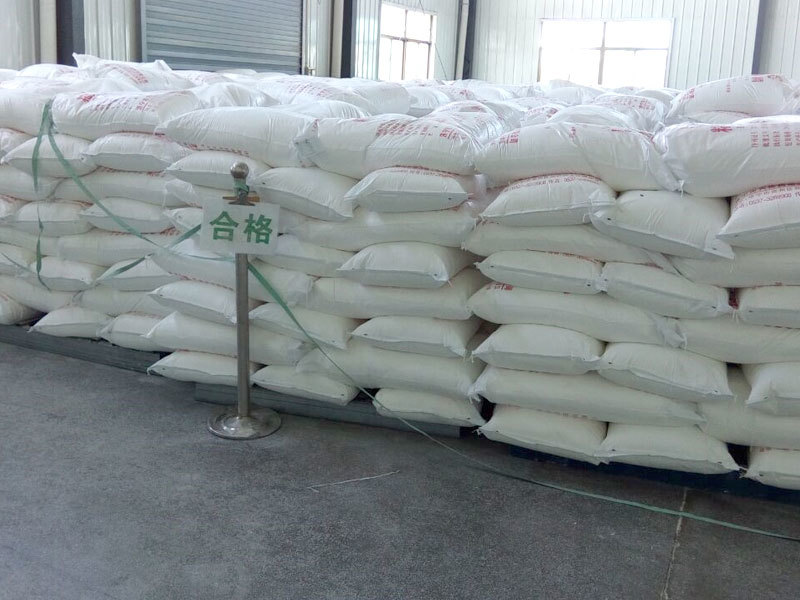
The physical properties of pharmaceutical dextrins vary slightly. In aqueous solution, dextrin molecules aggregate as a function of density, temperature, pH, or other characteristics. Viscosity increases as the dextrin solution ages, gelatinizes, or is reduced, especially for poorly soluble corn starch dextrin. Pharmaceutical dextrin solutions are thixotropic, exhibiting shear thinning, and revert to a paste or gel upon standing. Residual acids from the manufacturing process cause further hydrolysis and lead to gradual thinning of the solution. Residual acids (commonly found in less soluble dextrins such as roasted dextrin) also decrease viscosity during storage. To alleviate these issues, manufacturers commonly use ammonia or sodium carbonate to neutralize poorly soluble dextrins in the cooling vessel. Bulk materials should be stored in cool, dry, sealed containers.
Pharmaceutical DextrinThe efficacy and effects in traditional Chinese medicine mainly include the following aspects:
First, it can increase the adhesion of the drug. The addition of dextrin can facilitate the preparation of traditional Chinese medicine pills and increase the adhesion of the drug.
Second, it can improve the stability of the drug.
Third, it can increase the solubility of the drug. Dextrin can improve the solubility of traditional Chinese medicine in water.
Fourth, it can prevent the illegal use of volatile components. Because dextrin can prevent volatilization, it improves the stability of traditional Chinese medicine.
Fifth, it can mask the peculiar smell of traditional Chinese medicine.
Sixth, it improves the bioavailability of traditional Chinese medicine. Secondly, it can reduce the irritation and toxic side effects of the drug.
Therefore, when preparing traditional Chinese medicine, we add dextrin to assist in production.
Pharmaceutical DextrinUsage:
1. Adding its aqueous solution to electronic ceramic powder can improve the plasticity of the blank and act as a protective agent in the electronic ceramic slip casting process, improving the stability of the slurry and the strength of the blank. It can be used as a packaging adhesive. It can also be used as a filler, usually mixed with powdered sugar and starch. It can also be used as a molding agent and thickener in sugar-coating components to prepare tablets, pills, granules, and suspensions.
2. It can be used to prepare water-soluble adhesives and thickeners. It is mainly used as an adhesive for cartons, boxes, paper bags, stamps, wallpaper, envelopes, tapes, etc. In the paper industry, it is used as a surface sizing agent and coating adhesive. In the textile industry, it is used as an auxiliary agent for sizing, fabric finishing, and printing and dyeing. In the food industry, it is used as a diluent and carrier for flavorings and pigments. In the pharmaceutical industry, it is used as a tablet binder and nutrient in the fermentation of certain antibiotics. In the foundry industry, it is used as molding sand, binder, etc. When used as an adhesive, an appropriate amount of toughening agent, humectant, and lubricant can also be added to improve the performance of the adhesive film. Commonly used toughening agents include urea, formaldehyde, sodium nitrate, and salicylic acid; humectants include glycerin, ethylene glycol, etc.; lubricants include castor oil iodide, alcohol iodide, and soap.
Previous Page
Related News

Shandong Liujia Pharmaceutical Accessories Co., Ltd. Our company was established in 1997, specializing in the production of pharmaceutical accessories. Our main products are microcrystalline cellulose, magnesium stearate, sodium carboxymethyl starch, pregelatinized starch, starch, dextrin, etc.


Address: Yandian Town Industrial Cluster, Yanzhou District, Yanzhou City, Jining City, Shandong Province, China


©2025 Shandong Liujia Pharmaceutical Excipients Co., Ltd
| SEO| Website construction:CEGLOBAL Business License Privacy Policy