
News
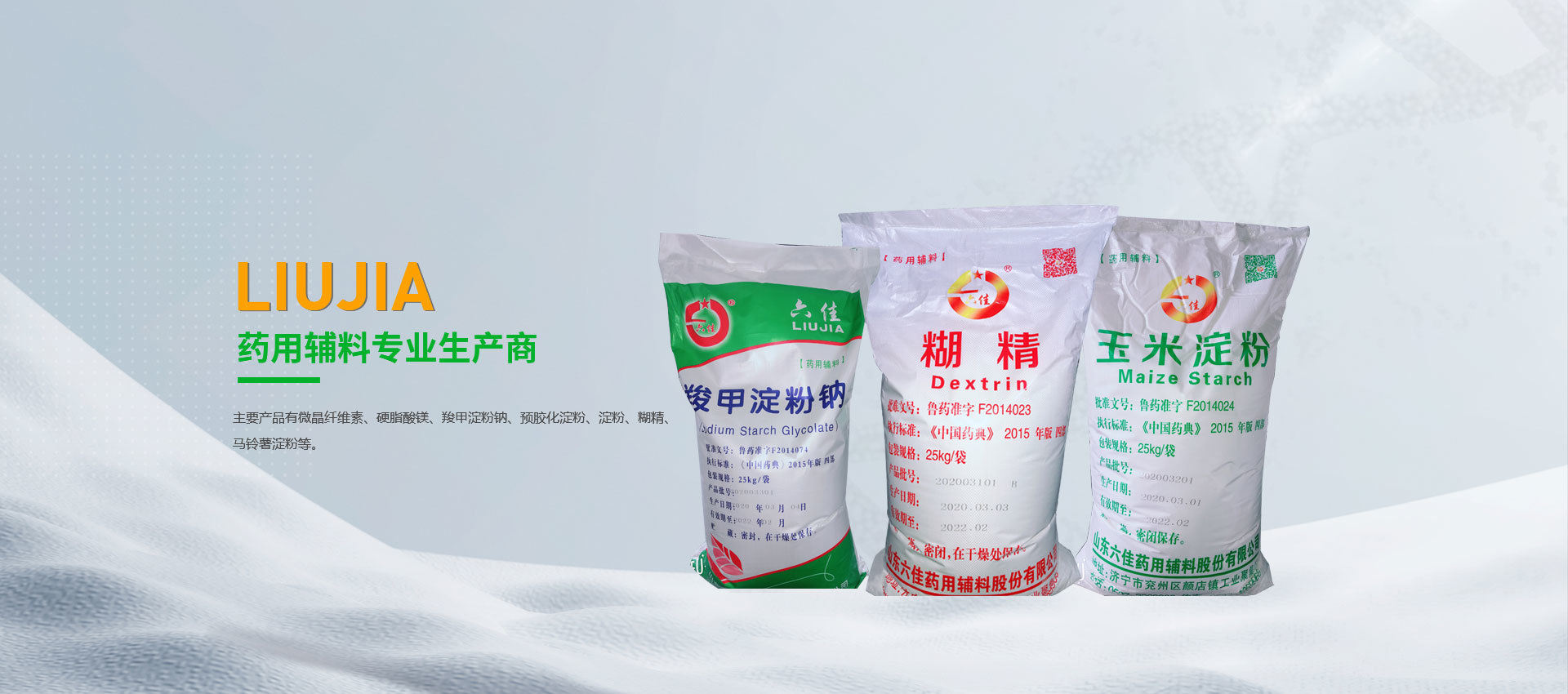
The main products are food additive microcrystalline cellulose, food additive magnesium stearate, food additive sodium carboxymethyl starch, food grade magnesium stearate, food grade sodium carboxymethyl starch microcrystalline cellulose, Magnesium stearate, sodium carboxymethyl starch, pregelatinized starch, starch, dextrin, etc.
13
2022
-
09
Pharmaceutical excipient manufacturer introduces the matters of food additives
Simply put, food additives are substances added by pharmaceutical excipient manufacturers to enhance the taste of our daily food. We consume them every day and cannot live without them. For example, our favorite instant noodles, various beverages, snacks, or industrially produced edible oils, salts, seasonings, and cooked food products all contain various food additives.
1. What are food additives?
Food additives are synthetic or natural substances added to food to improve its color, aroma, taste, and other qualities, and to meet the needs of preservation, freshness, and processing technology. Simply put, food additives are substances added by pharmaceutical excipient manufacturers to make our daily food taste better. We eat them every day and cannot live without them. For example, our favorite instant noodles, various beverages, snacks, or industrially produced edible oils, salts, seasonings, and cooked food products all contain various food additives.
2. Why use food additives?
Firstly,Pharmaceutical excipient manufacturerthe needs of processing technology; secondly, to meet our needs for taste or nutrition; and thirdly, to ensure food safety.
Pharmaceutical excipient manufacturers facilitate food production, processing, packaging, transportation, and storage, such as preservatives in food and nitrogen in inflated packaging; improve the sensory characteristics of food, such as emulsifiers and thickeners in ice cream; improve the quality and stability of food, such as antioxidants in edible oils; facilitate food processing operations; or maintain and enhance the nutritional value of food itself, such as adding calcium and iron as nutritional fortifiers; or as necessary ingredients or ingredients for special diets, such as infant formula.
3. Can food additives affect health? Can you just not use them?
Reasonable use in accordance with national standards for their scope of use and dosage, in accordance with the principles of food additives, will not affect health. Currently, people are like frightened birds, turning pale at the mention of "additives" because of some food safety incidents caused by the abuse or illegal use of additives by some unscrupulous vendors. In fact, additives are very common in life, such as brine used to make tofu, alum and baking soda used to make fried dough sticks, etc.
4. Is 'no preservative' safer?
In recent years, more and more foods have been called "zero-additive" and "additive-free." Will these 'preservative-free' and 'zero-additive' foods be safer?
First, let's understand that preservatives are mainly used to prevent food spoilage.Pharmaceutical excipient manufacturerMeat products, baked goods, convenience foods, fruits, and even soy sauce, vinegar, and other foods or seasonings produced without preservatives are easily contaminated by pathogenic microorganisms and may even produce toxins, endangering human health. Moreover, food is more easily contaminated and spoiled after opening. However, those foods that claim to have no preservatives are preserved using salt or sugar. Excessive salt intake can lead to high blood pressure, increased kidney burden, and increased risk of stomach cancer. Adding food additives to some high-protein foods can ensure product quality and safety, prevent spoilage, and so on.
Related News

Shandong Liujia Pharmaceutical Accessories Co., Ltd. Our company was established in 1997, specializing in the production of pharmaceutical accessories. Our main products are microcrystalline cellulose, magnesium stearate, sodium carboxymethyl starch, pregelatinized starch, starch, dextrin, etc.


Address: Yandian Town Industrial Cluster, Yanzhou District, Yanzhou City, Jining City, Shandong Province, China


©2025 Shandong Liujia Pharmaceutical Excipients Co., Ltd
| SEO| Website construction:CEGLOBAL Business License Privacy Policy