
News
The main products are food additive microcrystalline cellulose, food additive magnesium stearate, food additive sodium carboxymethyl starch, food grade magnesium stearate, food grade sodium carboxymethyl starch microcrystalline cellulose, Magnesium stearate, sodium carboxymethyl starch, pregelatinized starch, starch, dextrin, etc.
22
2022
-
12
Introduction to food-grade sodium carboxymethyl starch
Food-grade sodium carboxymethyl starch is a high-molecular starch ether that dissolves directly in cold water. Its aqueous solution is a viscous, transparent liquid with a fine appearance. It surpasses currently used food additives in terms of flowability and solubility. It is a natural product and a new type of thickening agent, stabilizer, and quality improver that is easily absorbed by the human body. It has high viscosity and harmlessness, as well as good emulsification, stability, permeability, heat retention, and freshness-preserving properties.
Food Grade Sodium Carboxymethyl StarchIt is a high-molecular starch ether that dissolves directly in cold water. The aqueous solution is a viscous, transparent liquid with a fine appearance. Its fluidity and solubility are superior to those of currently used food additives. It is a natural product and a new type of thickening agent, stabilizer, and quality improver that is easily absorbed by the human body. It has high viscosity and harmlessness, and exhibits good emulsification, stability, permeability, heat preservation, and freshness properties.
How to use food-grade sodium carboxymethyl starch? Let's take a look together. 1. Cold drink production: Added to ice cream to create a fine ice crystal structure, uniform texture, refreshing taste, unique flavor, and stability superior to sodium alginate and CMC. Reference dosage: 2%~7.5%. 2. Lotus seed material processing: Added to fruit juice, milk, or milk drinks to ensure product uniformity, stability, viscosity, and non-stickiness. It prevents milk protein aggregation, improves product taste, and extends shelf life. Reference dosage: 3%-5%. 3. Food preservation: CMS aqueous solution sprayed onto the surface of meat products, vegetables, and fruits forms a thin film that helps preserve freshness for an extended period.
What are the specific uses of food-grade sodium carboxymethyl starch material? Let's take a look together.
1. Food-grade sodium carboxymethyl starch: Used in milk, beverages, frozen foods, fast food, biscuits, and syrups.
2. Papermaking-grade sodium carboxymethyl starch.
3. Construction industry sodium carboxymethyl starch.
4. Daily chemical industry-grade sodium carboxymethyl starch.
5. Petroleum industry sodium carboxymethyl starch.
6. Printing and dyeing industry sodium carboxymethyl starch.
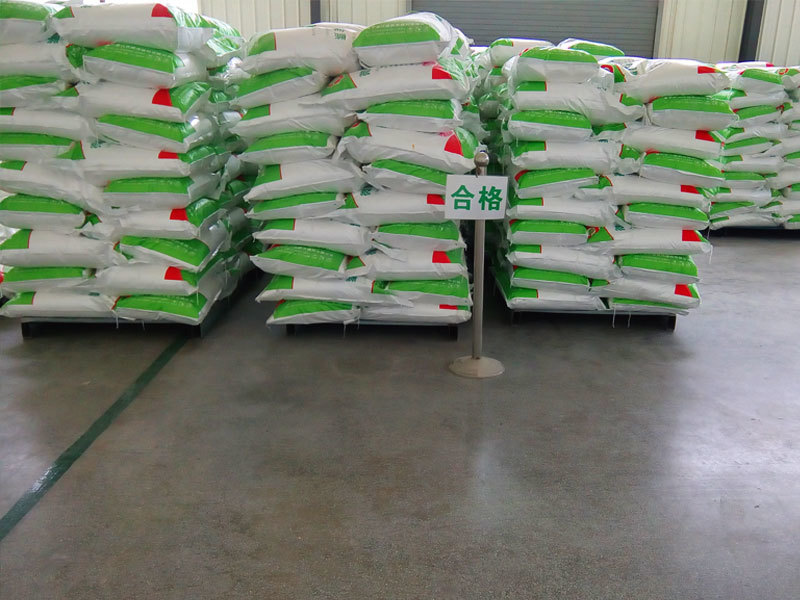
Food Grade Sodium Carboxymethyl StarchPackaging and storage conditions: 1. This product is generally packaged in 25 kg/bag or 25 kg cardboard drums. 2. This product should be sealed and protected from light, stored in a cool, dry, and ventilated place.
The commonly used form is its sodium salt, also known as (CMS-Na). It is a white or yellowish powder, odorless, tasteless, non-toxic, and hygroscopic. It dissolves in water to form a colloidal solution, stable to light and heat. It is insoluble in ethanol, ether, and other organic solvents. This aqueous solution is relatively stable in alkali and weaker in acid, forming insoluble free acid with low viscosity, unsuitable for strongly acidic foods. When heated at above 80℃ for a long time, the viscosity of the aqueous solution will decrease. This product has similar properties to carboxymethyl cellulose (CMC), with multiple properties including thickening, suspending, dispersing, emulsifying, binding, water retention, and colloid protection. As an emulsifier, thickener, dispersant, stabilizer, sizing agent, film-forming agent, and water-retaining agent, it is widely used in the petroleum, textile, daily chemical, tobacco, papermaking, construction, food, and pharmaceutical industries, and is known as an "industrial condiment." It is an alternative to CMC and can replace polyvinyl alcohol in some areas. Unlike CMC, this aqueous solution is easily partially decomposed by bacteria in the air (producing α-amylase) and liquefied, reducing viscosity. Therefore, the prepared aqueous solution is not easy to store for a long time and is not suitable for condiments such as ketchup. Dissolution method: Add water to the product according to the required concentration, mix thoroughly, and dissolve completely. Alternatively, moisten with a small amount of ethanol before dissolving in water.
Related News

Shandong Liujia Pharmaceutical Accessories Co., Ltd. Our company was established in 1997, specializing in the production of pharmaceutical accessories. Our main products are microcrystalline cellulose, magnesium stearate, sodium carboxymethyl starch, pregelatinized starch, starch, dextrin, etc.


Address: Yandian Town Industrial Cluster, Yanzhou District, Yanzhou City, Jining City, Shandong Province, China


©2025 Shandong Liujia Pharmaceutical Excipients Co., Ltd
| SEO| Website construction:CEGLOBAL Business License Privacy Policy