
News
The main products are food additive microcrystalline cellulose, food additive magnesium stearate, food additive sodium carboxymethyl starch, food grade magnesium stearate, food grade sodium carboxymethyl starch microcrystalline cellulose, Magnesium stearate, sodium carboxymethyl starch, pregelatinized starch, starch, dextrin, etc.
07
2023
-
03
What can microcrystalline cellulose do?
What can microcrystalline cellulose do? Microcrystalline cellulose (MCC) is a β-1,4-glucosidic bond-linked linear polysaccharide, a free-flowing white or off-white powdery solid product, produced from natural cellulose by hydrolysis with dilute acid to a limit of polymerization (LOOP: 15-375).
Microcrystalline CelluloseWhat can it do?
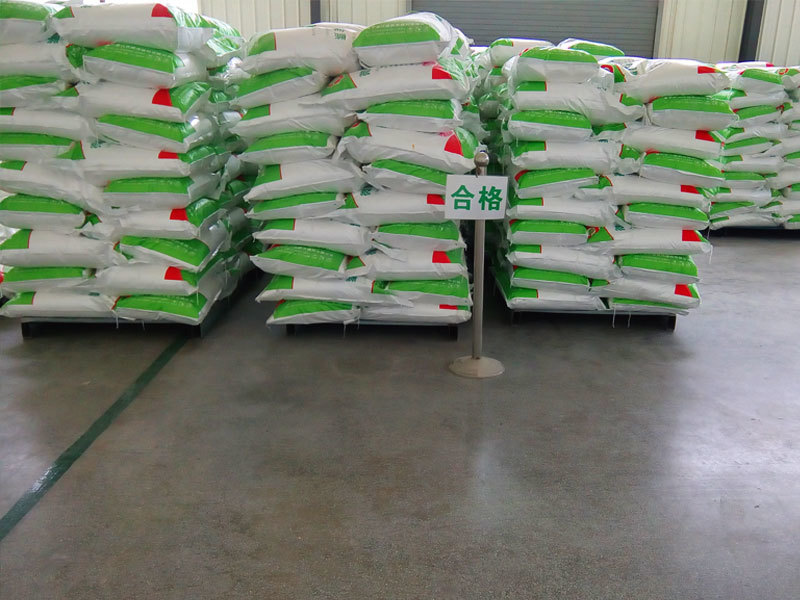
Microcrystalline cellulose (MCC) is a β-D-glucan composed of linear polysaccharides linked by 1,4-glucosidic bonds. It is a free-flowing white or almost white powdery solid product derived from natural cellulose through hydrolysis with dilute acid to a limit degree of polymerization (LODP: 15-375). It is mainly composed of organic matter (about 99.95%), primarily cellulose, and a small amount of inorganic matter (about 0.05%, such as ash). The main components of the ash are Ca, Si, Mg, Al, Fe, and other trace metal elements. MCC is fiberless but highly flowable. It is insoluble in water, dilute acids, organic solvents, and oils, partially dissolves and swells in dilute alkaline solutions, and exhibits high reactivity in carboxymethylation, acetylation, and esterification processes. Microcrystalline cellulose can also maintain food stability at high temperatures. Some high-viscosity sterile foods decompose during high-temperature processing. Its excellent properties can be maintained by adding microcrystalline cellulose. For example, adding microcrystalline cellulose to canned meat products maintains the emulsion quality unchanged after heating at 116℃ for 3 hours.
In addition,Microcrystalline Celluloseit can improve the stability of liquids and be used as a gelling and suspending agent. For example, when instant drinks are redispersed in water, they often exhibit uneven dispersion or poor stability. Adding a certain amount of colloidal cellulose can quickly form a stable colloidal solution, significantly improving dispersion and stability. Adding a stabilizer composed of colloidal microcrystalline cellulose, starch, and maltodextrin to instant chocolate or cocoa drinks not only prevents the powder from caking due to moisture but also maintains high stability and dispersibility during brewing.
As a non-nutritive filler and thickener, microcrystalline cellulose can improve food structure. A flour substitute obtained by mixing microcrystalline cellulose, xanthan gum, and lecithin is used in baked goods. When the amount of flour used does not exceed 50% of the original amount, the original flavor can be maintained, and palatability is increased.
Adding microcrystalline cellulose to frozen desserts can control ice crystal formation. During the frequent freezing and thawing of frozen desserts, the presence of microcrystalline cellulose acts as a physical barrier, preventing grains from aggregating to form large crystals. For example, adding only 0.4%-0.6% microcrystalline cellulose to ice cream is sufficient to prevent changes in the texture and structure of ice particles, and the very fine microcrystalline cellulose particles can enhance the mouthfeel and improve the texture.
Microcrystalline CelluloseIt can also be used to reduce the calorie content of food. If used in salad dressings, it can reduce calories; adding microcrystalline cellulose when making various cooking oil seasonings can also prevent the oil and seasonings from separating during heating or boiling.
Due to the adsorption of microcrystalline cellulose, foods with high mineral content can be obtained by adsorbing metal ions. For example, Germany uses microcrystalline cellulose with high carboxyl content to absorb iron and calcium ions and add them to food, which not only increases the nutrition of the food but also does not change the taste of the food.
Related News

Shandong Liujia Pharmaceutical Accessories Co., Ltd. Our company was established in 1997, specializing in the production of pharmaceutical accessories. Our main products are microcrystalline cellulose, magnesium stearate, sodium carboxymethyl starch, pregelatinized starch, starch, dextrin, etc.


Address: Yandian Town Industrial Cluster, Yanzhou District, Yanzhou City, Jining City, Shandong Province, China


©2025 Shandong Liujia Pharmaceutical Excipients Co., Ltd
| SEO| Website construction:CEGLOBAL Business License Privacy Policy