
News
The main products are food additive microcrystalline cellulose, food additive magnesium stearate, food additive sodium carboxymethyl starch, food grade magnesium stearate, food grade sodium carboxymethyl starch microcrystalline cellulose, Magnesium stearate, sodium carboxymethyl starch, pregelatinized starch, starch, dextrin, etc.
08
2020
-
09
Classification methods for pharmaceutical excipients
There are several classification methods for pharmaceutical excipients.
Pharmaceutical excipientsThere are several classification methods
1. According to the chemical structure of pharmaceutical excipients, they can be divided into inorganic and organic substances. Inorganic compounds can be divided into inorganic acids, inorganic salts, and inorganic bases; organic compounds can be divided into acids, bases, salts, alcohols, phenols, esters, ethers, cellulose, and sugars. The characteristic is that each excipient has a common chemical structure.
However, for organic compounds, these commonalities do not guarantee that the same class of chemical substances has the same functional properties, which is the basis of their use.
2.Pharmaceutical excipientsThey can be divided into solutions, mixtures, emulsions, eye drops, nasal drops, tablets, capsules, suppositories, granules, pills, films, injections, aerosols, etc. In other words, there are as many types of excipients as there are dosage forms. The characteristic of this classification is that what is used in each dosage form is clear at a glance. For example, pharmaceutical excipients in pharmaceutical textbooks are classified by dosage form.
However, some excipients can be used in multiple dosage forms, such as gelatin, which can be used as capsule material for capsules, coating material for tablets and pills, and matrix for suppositories. The same substance has multiple uses, which facilitates dosage form research but is inconvenient for excipient evaluation.
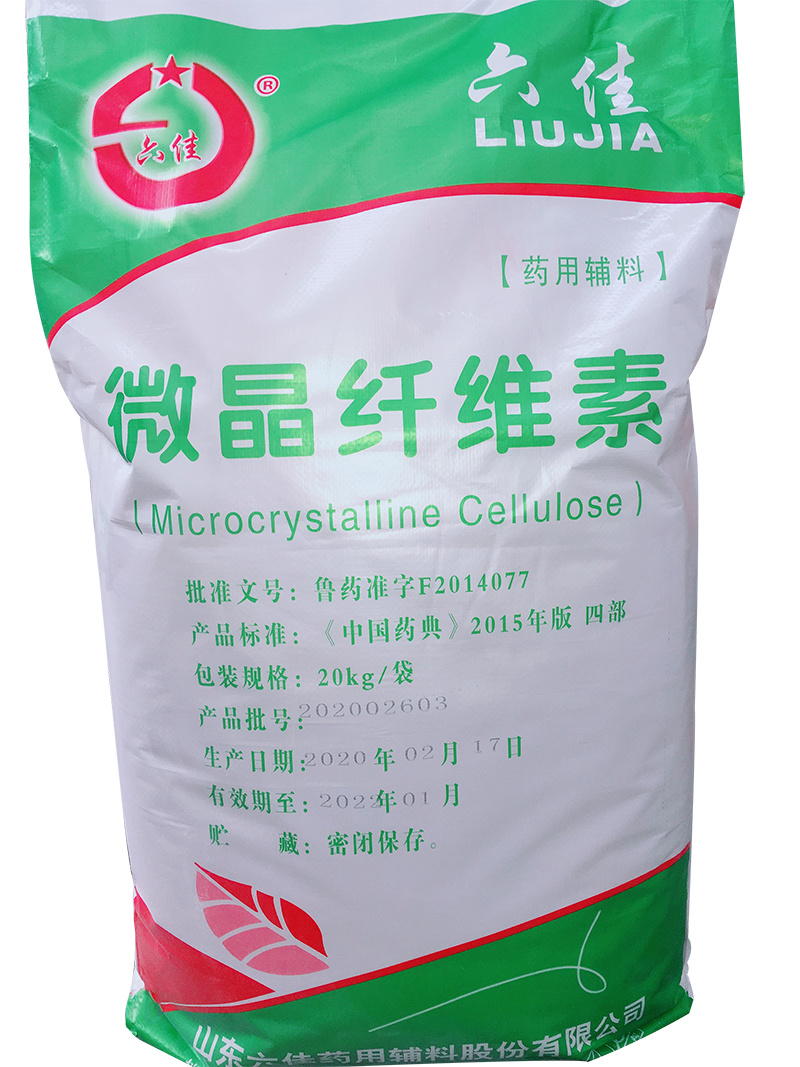
3. Uses,Pharmaceutical excipientsAccording to the use, it can be divided into more than 40 categories, such as solvents, solubilizers, suspending agents, emulsifiers, colorants, binders, disintegrants, fillers, lubricants, glidants, filter aids, flavoring agents, preservatives, suspending agents, coating agents, fragrances, inks, etc.
This classification method is suitable for writing monographs on excipients. Therefore, the classification method puts substances with the same purpose but different physicochemical properties together, which facilitates the search for rules and thus the development of new excipients and reduces duplication. Although propylene glycol and other excipients can be used as solvents, solubilizers, wetting agents, humectants, and preservatives, there are not many such excipients. They are generally used for inquiries and statistics.
4. Route of administration:Pharmaceutical excipientsClassified by the intended route of administration, such as oral, transdermal or topical administration, injection, nasal or inhalation administration, ophthalmic administration, etc. Many excipients can be used in multiple routes of administration, and different routes of administration have multiple dosage forms, which are prone to repetition and unclear classification, making it inconvenient for inquiries and statistics, but more suitable for the management and approval of pharmaceutical excipients by drug regulatory agencies.
Previous Page
Related News

Shandong Liujia Pharmaceutical Accessories Co., Ltd. Our company was established in 1997, specializing in the production of pharmaceutical accessories. Our main products are microcrystalline cellulose, magnesium stearate, sodium carboxymethyl starch, pregelatinized starch, starch, dextrin, etc.


Address: Yandian Town Industrial Cluster, Yanzhou District, Yanzhou City, Jining City, Shandong Province, China


©2025 Shandong Liujia Pharmaceutical Excipients Co., Ltd
| SEO| Website construction:CEGLOBAL Business License Privacy Policy