
News
The main products are food additive microcrystalline cellulose, food additive magnesium stearate, food additive sodium carboxymethyl starch, food grade magnesium stearate, food grade sodium carboxymethyl starch microcrystalline cellulose, Magnesium stearate, sodium carboxymethyl starch, pregelatinized starch, starch, dextrin, etc.
05
2023
-
06
Dry goods sharing: Learn about microcrystalline cellulose in one minute
Microcrystalline cellulose is a chemical product chemically synthesized from natural cellulose. It has a wide range of applications in various fields, including food, pharmaceuticals, cosmetics, and textiles. This article will detail the uses and maintenance methods of microcrystalline cellulose.
Microcrystalline cellulose is a chemical product chemically synthesized from natural cellulose. It has a wide range of applications in various fields, including food, pharmaceuticals, cosmetics, and textiles. This article will detail the uses and maintenance methods of microcrystalline cellulose.
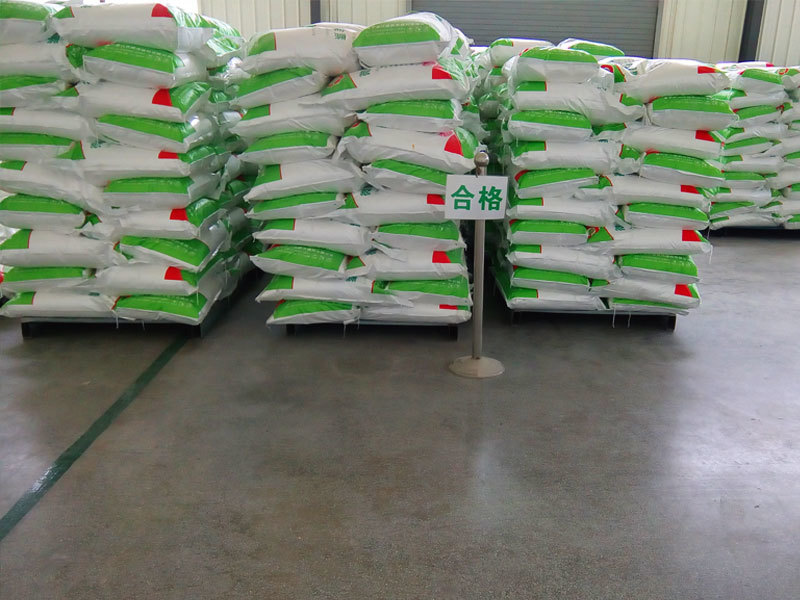
I. Uses of Microcrystalline Cellulose
The main functions of microcrystalline cellulose in food manufacturing are thickening, emulsification, gelation, water retention, and stabilization. It can be widely used in various foods such as dairy products, meat products, cakes, seasonings, and beverages. For example, adding microcrystalline cellulose to juices, yogurt, and jelly can enhance their texture, making them smoother and more delicious.
In the pharmaceutical field, microcrystalline cellulose mainly acts as a solubilizer, adjuvant, emulsifier, and dispersant. It can help improve drug absorption and degradation rates. Microcrystalline cellulose can also be used as a capsule filler, sustained-release agent, and tablet binder, helping to improve pharmaceutical production efficiency and drug quality.
Microcrystalline cellulose also plays an important role in the cosmetics field, mainly used in various cosmetics for thickening, emulsification, viscosity adjustment, and improving texture. For example, adding microcrystalline cellulose to creams and lotions can increase their smoothness and moisturizing effect, thereby improving product quality and market acceptance.
Microcrystalline cellulose can also be used in the fiber processing of the textile industry. For example, the addition of microcrystalline cellulose liquid can improve the strength and extensibility of textiles and can also play a role in anti-static properties.
II. Maintenance Methods of Microcrystalline Cellulose
Microcrystalline cellulose should be stored in a cool, dry, and ventilated environment, avoiding direct sunlight, humidity, and high temperatures to ensure product quality. At the same time, sealing measures should be strengthened to prevent the product from being contaminated by external factors such as air.
When using microcrystalline cellulose, pay attention to the accuracy of weighing. Avoid excessive or insufficient amounts to prevent affecting product quality.
Microcrystalline cellulose needs to be thoroughly stirred and dissolved in liquid before adding, otherwise, it may be difficult to dissolve and clump, affecting product quality.
Microcrystalline cellulose is a hydrophilic substance, so it needs to be stored in a dry environment to prevent moisture absorption. If the product becomes damp, it needs to be handled correctly to prevent product failure.
The stability of microcrystalline cellulose varies in different pH ranges; refer to the product specifications for details. Therefore, the pH value should be strictly controlled during use to ensure product quality.
In summary, microcrystalline cellulose plays an important role in many fields, and its uses and advantages cannot be ignored. To ensure the quality and effectiveness of microcrystalline cellulose, we need to strictly understand and comply with the product maintenance standards and precautions.
Related News

Shandong Liujia Pharmaceutical Accessories Co., Ltd. Our company was established in 1997, specializing in the production of pharmaceutical accessories. Our main products are microcrystalline cellulose, magnesium stearate, sodium carboxymethyl starch, pregelatinized starch, starch, dextrin, etc.


Address: Yandian Town Industrial Cluster, Yanzhou District, Yanzhou City, Jining City, Shandong Province, China


©2025 Shandong Liujia Pharmaceutical Excipients Co., Ltd
| SEO| Website construction:CEGLOBAL Business License Privacy Policy