
News
The main products are food additive microcrystalline cellulose, food additive magnesium stearate, food additive sodium carboxymethyl starch, food grade magnesium stearate, food grade sodium carboxymethyl starch microcrystalline cellulose, Magnesium stearate, sodium carboxymethyl starch, pregelatinized starch, starch, dextrin, etc.
06
2021
-
08
What are the uses of pharmaceutical dextrin?
Pharmaceutical dextrin is a pharmaceutical additive. Pharmaceutical excipients are the material basis for the existence of drug preparations. They can change the administration route and mode of action of drugs and affect the physicochemical properties of the main drug. Pharmaceutical excipient pharmaceutical dextrin can enhance the efficacy and effect of the main drug and reduce side effects. Pharmaceutical dextrin is not a traditional Chinese medicine ingredient, but a pharmaceutical excipient, which is inert and has no pharmacological effect. Pharmaceutical dextrin is an excipient used in traditional Chinese medicine preparations. Pharmaceutical dextrin has a certain viscosity, making it easier to make tablets or capsules from traditional Chinese medicine extracts. Similar to starch.
Pharmaceutical DextrinIt is a pharmaceutical additive. Pharmaceutical excipients are the material basis for the existence of drug preparations. They can change the administration route and mode of action of drugs and affect the physicochemical properties of the main drug. Pharmaceutical excipients, such as pharmaceutical dextrin, can enhance the efficacy of the main drug and reduce side effects.
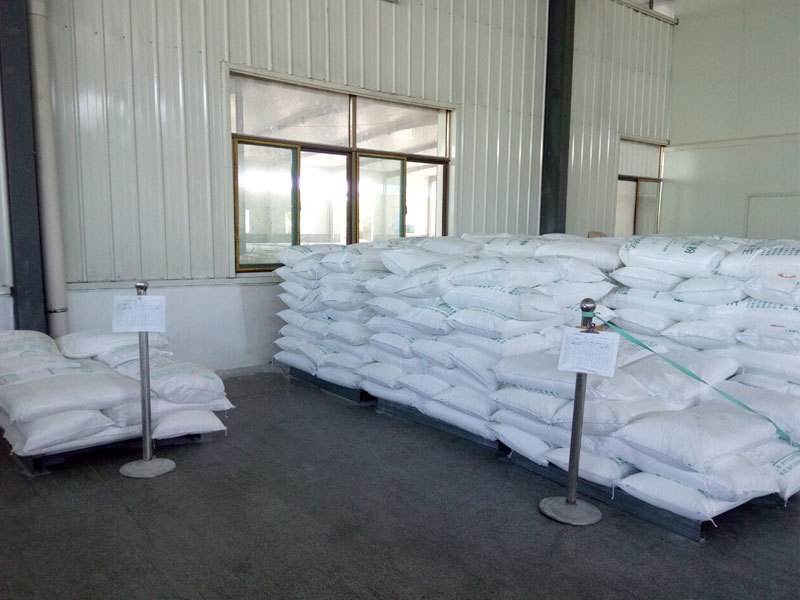
Pharmaceutical dextrin is not a traditional Chinese medicine ingredient, but a pharmaceutical excipient; it is inert and has no pharmacological effect. Pharmaceutical dextrin is an excipient used in traditional Chinese medicine preparations. It has a certain viscosity, making it easier to make tablets or capsules from traditional Chinese medicine extracts. Similar to starch.
Pharmaceutical DextrinIt is a professional term used to measure the raw material cooking process. When starch is decomposed and hydrolyzed under the action of heat, acid, or amylase, the macromolecular starch is first converted into small molecular intermediate substances, and then the small molecular intermediate substances are called dextrin.
White glue is the same as white emulsion glue. White emulsion glue is a thermoplastic adhesive polymerized from vinyl acetate emulsion. It is widely used in wood processing, artificial boards, cement mortar, papermaking, fabrics, leather, ceramics and other industries.
Pharmaceutical DextrinIt is a professional term used to measure the raw material cooking process. When starch is decomposed and hydrolyzed under the action of heat, acid, or amylase, macromolecular starch is first converted into small molecular intermediate substances, and then the small molecular intermediate substances are called dextrin. Dextrin is mainly used as an adhesive. Dextrin is used as a starch additive for warp sizing to reduce the viscosity of starch and improve the permeability of starch paste. Starch paste with dextrin added is easy to desize, but has poor adhesion and the sizing film is brittle and hard. It is often mixed with PVA for sizing viscose fiber yarns and cuprammonium fiber filaments, which are not easy to fluff during sizing. After the wide application of synthetic sizing materials and modified starch, dextrin is rarely used in warp sizing formulas. Extended data: The physical properties of pharmaceutical dextrin vary slightly depending on the production method and source of raw materials. In aqueous solution, dextrin molecules easily aggregate with changes in temperature, density, pH, or other properties. The viscosity increases with the aging, gelation, or degradation of the dextrin solution, especially for corn starch dextrin with poor solubility. Pharmaceutical dextrin solutions have thixotropy; the viscosity decreases under shear and becomes pasty or gelatinous after standing. Residual acid from the preparation process will cause further hydrolysis, gradually thinning the solution. Residual acid (usually present in dextrins with poor solubility, such as roasted dextrin) will also cause a decrease in viscosity during storage. To eliminate these problems, people often neutralize low-solubility dextrins with ammonia or sodium carbonate in cooled containers.
Related News

Shandong Liujia Pharmaceutical Accessories Co., Ltd. Our company was established in 1997, specializing in the production of pharmaceutical accessories. Our main products are microcrystalline cellulose, magnesium stearate, sodium carboxymethyl starch, pregelatinized starch, starch, dextrin, etc.


Address: Yandian Town Industrial Cluster, Yanzhou District, Yanzhou City, Jining City, Shandong Province, China


©2025 Shandong Liujia Pharmaceutical Excipients Co., Ltd
| SEO| Website construction:CEGLOBAL Business License Privacy Policy